
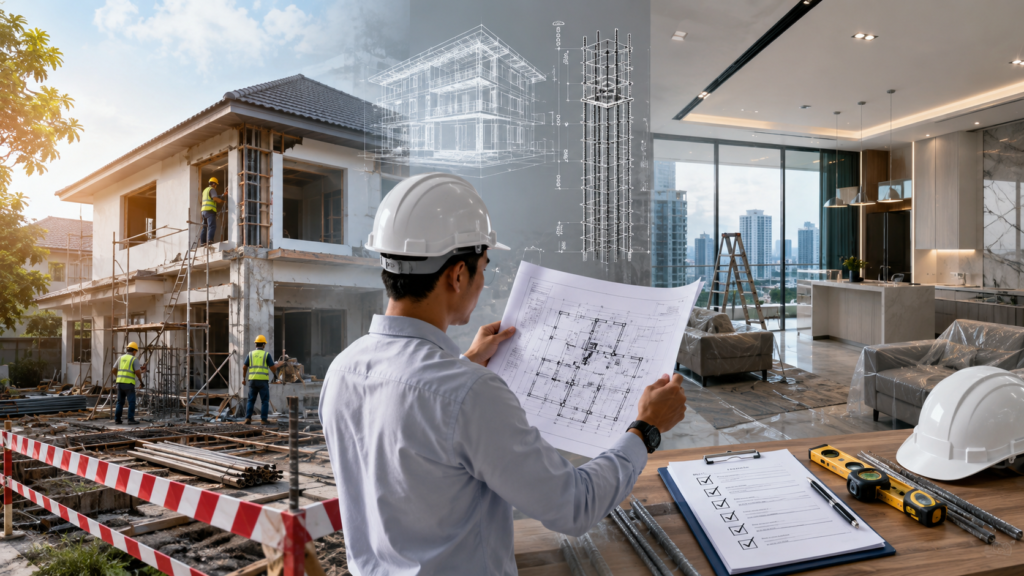
ในแวดวงการก่อสร้าง กฎระเบียบด้านความปลอดภัยมีบทบาทสำคัญอย่างยิ่งในการกำหนดทิศทางของอุตสาหกรรม โดยเฉพาะในงานก่อสร้าง งานปรับปรุงอาคาร งาน รับรีโนเวทบ้าน และงาน รับรีโนทเวทคอนโด ที่ต้องคำนึงถึงมาตรฐานความปลอดภัย โครงสร้างอาคาร และข้อกำหนดทางกฎหมายอย่างรอบคอบ
เมื่อประเทศไทยมีการประกาศใช้กฎระเบียบความปลอดภัยอาคารฉบับใหม่ ผู้พัฒนาโครงการ เจ้าของบ้าน เจ้าของคอนโด และบริษัทรับเหมาก่อสร้างจึงจำเป็นต้องเข้าใจผลกระทบของกฎระเบียบเหล่านี้อย่างละเอียด การเปลี่ยนแปลงดังกล่าวส่งผลต่อหลายด้าน ตั้งแต่การวางแผน การออกแบบ การเลือกวัสดุ การดำเนินงาน ไปจนถึงการบำรุงรักษาอาคารในระยะยาว
สำหรับผู้ที่กำลังมองหาผู้เชี่ยวชาญด้านงานก่อสร้างและรีโนเวท บริษัท Charleston Design Solutions เป็นหนึ่งในผู้ให้บริการที่สามารถช่วยดูแลโครงการปรับปรุงบ้าน คอนโด และอาคารให้สอดคล้องกับมาตรฐานความปลอดภัยและความต้องการของลูกค้าได้อย่างมืออาชีพ
ทำความเข้าใจการเปลี่ยนแปลงหลักของกฎระเบียบ
กฎระเบียบความปลอดภัยอาคารฉบับใหม่ของประเทศไทยได้กำหนดการปรับปรุงสำคัญหลายประการ โดยมีเป้าหมายเพื่อเพิ่มความมั่นคงแข็งแรงของโครงสร้างและความปลอดภัยของอาคาร กฎระเบียบเหล่านี้ได้รับการปรับปรุงให้สอดคล้องกับความท้าทายในยุคปัจจุบัน เช่น ความหนาแน่นของเมืองที่เพิ่มขึ้น และผลกระทบจากการเปลี่ยนแปลงสภาพภูมิอากาศต่อวัสดุและแนวปฏิบัติในการก่อสร้าง
1. มาตรฐานโครงสร้างที่เข้มงวดยิ่งขึ้น
กฎระเบียบใหม่กำหนดมาตรฐานที่เข้มงวดมากขึ้นเกี่ยวกับวัสดุและวิธีการก่อสร้าง เพื่อให้อาคารสามารถทนต่อภัยธรรมชาติ เช่น แผ่นดินไหวและน้ำท่วม ซึ่งรวมถึงการใช้วัสดุคุณภาพสูงขึ้นและการประยุกต์ใช้หลักวิศวกรรมขั้นสูง
2. มาตรการความปลอดภัยที่เพิ่มขึ้นสำหรับอาคารสูง
อาคารสูงได้รับความสำคัญเป็นพิเศษ โดยปัจจุบันจำเป็นต้องมีทางหนีไฟเพิ่มเติม การออกแบบที่สามารถต้านทานแรงสั่นสะเทือนจากแผ่นดินไหว และแผนการตอบสนองต่อเหตุฉุกเฉินที่มีประสิทธิภาพมากขึ้น ข้อกำหนดเหล่านี้มีความสำคัญอย่างมากสำหรับงาน รับรีโนทเวทคอนโด เพราะคอนโดมิเนียมส่วนใหญ่มักเป็นอาคารสูงที่ต้องปฏิบัติตามมาตรฐานด้านความปลอดภัยอย่างเคร่งครัด
3. ความยั่งยืนและการปฏิบัติตามข้อกำหนดด้านสิ่งแวดล้อม
กฎระเบียบใหม่ยังให้ความสำคัญกับความยั่งยืนมากขึ้น โดยกำหนดให้มีการใช้วัสดุและเทคโนโลยีที่ช่วยประหยัดพลังงาน รวมถึงการออกแบบอาคารที่ผสานพื้นที่สีเขียวเข้าไปในโครงการ
ทำความเข้าใจข้อกำหนดด้านการปฏิบัติตามกฎระเบียบ
เพื่อให้เป็นไปตามกฎระเบียบใหม่ บริษัทก่อสร้าง ผู้รับเหมา และผู้ให้บริการ รับรีโนเวทบ้าน จำเป็นต้องประเมินแนวปฏิบัติในปัจจุบันอย่างละเอียด และปรับให้สอดคล้องกับมาตรฐานใหม่
1. การตรวจสอบและประเมินผล
การตรวจสอบเบื้องต้นเป็นสิ่งสำคัญในการระบุช่องว่างระหว่างแนวปฏิบัติในการก่อสร้างปัจจุบันกับกฎระเบียบใหม่ การประเมินนี้ควรครอบคลุมทุกขั้นตอนของกระบวนการก่อสร้าง ตั้งแต่การจัดหาวัสดุ การออกแบบโครงสร้าง ไปจนถึงการฝึกอบรมแรงงาน
2. การฝึกอบรมและพัฒนาบุคลากร
การลงทุนด้านการฝึกอบรมพนักงานและแรงงานเป็นสิ่งจำเป็น เพื่อให้ทุกคนมีความรู้ความเข้าใจเกี่ยวกับมาตรฐานความปลอดภัยใหม่ และสามารถนำไปปฏิบัติได้อย่างถูกต้อง ซึ่งรวมถึงการฝึกอบรมเกี่ยวกับอุปกรณ์ใหม่ วัสดุใหม่ และมาตรการความปลอดภัยต่าง ๆ
3. การรับรองและการจัดทำเอกสาร
การขอใบรับรองที่จำเป็นเพื่อยืนยันว่าการดำเนินงานเป็นไปตามกฎระเบียบใหม่ ถือเป็นอีกขั้นตอนสำคัญ การจัดทำเอกสารเกี่ยวกับความพยายามในการปฏิบัติตามกฎระเบียบควรทำอย่างละเอียด รอบคอบ และเป็นระบบ เพื่อให้สามารถใช้เป็นหลักฐานในการตรวจสอบจากหน่วยงานกำกับดูแลและการตรวจประเมินในอนาคต
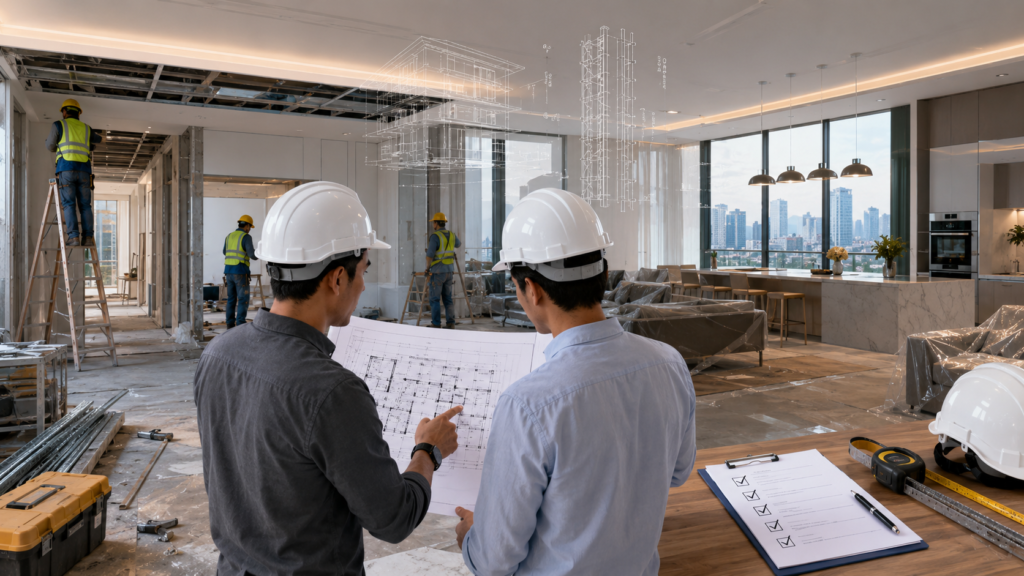
ทำความเข้าใจผลกระทบต่อต้นทุนและระยะเวลาโครงการ
การนำมาตรฐานความปลอดภัยใหม่มาใช้สามารถส่งผลอย่างมีนัยสำคัญทั้งต่อต้นทุนและระยะเวลาในการดำเนินโครงการก่อสร้าง รวมถึงงานปรับปรุงบ้านและคอนโด
1. ต้นทุนเริ่มต้นที่เพิ่มขึ้น
ในระยะแรก ต้นทุนอาจเพิ่มขึ้นเนื่องจากจำเป็นต้องใช้วัสดุคุณภาพสูง เทคโนโลยีขั้นสูง และการจัดฝึกอบรมเพิ่มเติม อย่างไรก็ตาม ค่าใช้จ่ายเหล่านี้ควรถูกมองว่าเป็นการลงทุน ซึ่งอาจช่วยประหยัดต้นทุนในระยะยาวจากความทนทานของอาคารที่ดีขึ้น และลดความจำเป็นในการซ่อมแซมในอนาคต
2. ความล่าช้าของโครงการ
การปรับตัวเข้ากับกระบวนการใหม่และการติดตั้งระบบขั้นสูงอาจทำให้โครงการล่าช้าได้ ดังนั้น การวางแผนเผื่อระยะเวลาสำหรับการปรับเปลี่ยนเหล่านี้จึงมีความสำคัญ เพื่อหลีกเลี่ยงผลกระทบที่อาจทำให้โครงการหยุดชะงักอย่างมาก
การใช้เทคโนโลยีเพื่อเพิ่มประสิทธิภาพในการปฏิบัติตามกฎระเบียบ
เทคโนโลยีมีบทบาทสำคัญในการช่วยให้การปฏิบัติตามกฎระเบียบที่ซับซ้อนเป็นไปอย่างมีประสิทธิภาพ ซอฟต์แวร์และเครื่องมือขั้นสูงสามารถช่วยทำให้กระบวนการต่าง ๆ เป็นระบบมากขึ้น ตั้งแต่การออกแบบ การจำลองแบบ ไปจนถึงการจัดทำเอกสารและรายงาน
1. Building Information Modeling หรือ BIM
เทคโนโลยี BIM ช่วยให้สามารถสร้างแบบจำลองโครงการแบบสามมิติอย่างละเอียด ทำให้การวางแผนแม่นยำขึ้น การออกแบบมีความถูกต้องมากขึ้น และสามารถตรวจสอบการปฏิบัติตามข้อกำหนดได้ง่ายขึ้น
2. ซอฟต์แวร์บริหารจัดการการปฏิบัติตามกฎระเบียบ
เครื่องมือเหล่านี้สามารถช่วยจัดการเอกสาร กำหนดตารางการตรวจสอบ และตรวจสอบให้มั่นใจว่าทุกส่วนของโครงการดำเนินไปตามกฎระเบียบใหม่อย่างมีประสิทธิภาพ
ทำความเข้าใจประโยชน์ระยะยาว
แม้ว่าความท้าทายในช่วงเริ่มต้นของการปรับตัวให้เข้ากับกฎระเบียบใหม่อาจดูยุ่งยากและน่ากังวล แต่ก็มีประโยชน์ระยะยาวที่สำคัญหลายประการที่ควรพิจารณา
1. ความปลอดภัยและความทนทานที่ดีขึ้น
มาตรฐานความปลอดภัยอาคารที่สูงขึ้นช่วยให้อาคารมีความปลอดภัยและทนทานมากขึ้น ลดความเสี่ยงและความรับผิดที่อาจเกิดขึ้นในอนาคต
2. มูลค่าทางการตลาดที่เพิ่มขึ้น
อาคาร บ้าน หรือคอนโดที่ได้รับการปรับปรุงอย่างถูกต้องตามมาตรฐานความปลอดภัยสมัยใหม่ มักมีมูลค่าทางการตลาดสูงขึ้น และเป็นที่น่าสนใจมากขึ้นสำหรับผู้ซื้อ นักลงทุน หรือผู้เช่า
3. ผลกระทบเชิงบวกต่อสิ่งแวดล้อม
การปฏิบัติตามกฎระเบียบที่เน้นความยั่งยืนช่วยสนับสนุนการอนุรักษ์สิ่งแวดล้อม สอดคล้องกับเป้าหมายระดับโลก และช่วยเสริมสร้างภาพลักษณ์ที่ดีให้กับองค์กร
บทสรุป: การยอมรับการเปลี่ยนแปลงเพื่อความสำเร็จในอนาคต
การทำความเข้าใจและปรับตัวให้เข้ากับกฎระเบียบความปลอดภัยอาคารฉบับใหม่ของประเทศไทยเป็นสิ่งจำเป็นต่อความสำเร็จและความยั่งยืนของโครงการก่อสร้าง รวมถึงงาน รับรีโนเวทบ้าน และงาน รับรีโนทเวทคอนโด ที่ต้องคำนึงถึงทั้งความสวยงาม ความปลอดภัย และมาตรฐานทางวิศวกรรม
แม้ว่าการเปลี่ยนผ่านอาจมีต้นทุนเริ่มต้นและต้องมีการปรับเปลี่ยนหลายด้าน แต่ประโยชน์ในระยะยาวจากการปฏิบัติตามกฎระเบียบ ไม่ว่าจะเป็นความปลอดภัยที่เพิ่มขึ้น ความทนทานของอาคาร หรือความยั่งยืนด้านสิ่งแวดล้อม ล้วนทำให้ความพยายามเหล่านี้คุ้มค่า
สำหรับเจ้าของบ้าน เจ้าของคอนโด และผู้พัฒนาโครงการที่ต้องการปรับปรุงพื้นที่ให้มีคุณภาพและปลอดภัยมากขึ้น การเลือกทีมงานมืออาชีพอย่าง Charleston Design Solutions สามารถช่วยให้โครงการดำเนินไปอย่างเป็นระบบ สอดคล้องกับมาตรฐาน และตอบโจทย์ทั้งด้านการออกแบบ การใช้งาน และความปลอดภัยในระยะยาว
ด้วยการยอมรับการเปลี่ยนแปลงเหล่านี้ ผู้มีส่วนเกี่ยวข้องสามารถมั่นใจได้ว่าโครงการของตนไม่เพียงแต่เป็นไปตามกฎหมายและข้อกำหนดเท่านั้น แต่ยังสามารถแข่งขันได้ในตลาดยุคใหม่ นำไปสู่แนวทางการก่อสร้างและรีโนเวทที่ปลอดภัย มีประสิทธิภาพ และยั่งยืนมากยิ่งขึ้น